NABAT · THE ILLUSTRATED GUIDE
A thoughtful cut.
Know what to keep, where to cut and why old damage needs more than a tidy edge.
Explore the guide
Watch & understand
Inspect before cutting
A stem, a node and a growing point have different roles. Choose the cut before lifting the tool.
How it works Pruning changes which buds can grow; it does not create energy. Healthy remaining leaves, roots and sufficient light support regrowth.
UNDERSTAND THE TIP
A growing tip influences buds below
The shoot tip helps suppress some side buds through hormonal signals: apical dominance. Removing it can allow a lower bud to grow, but leaves are still needed to supply energy.
This example is a branching vine. Removing the growing point of a single-stem palm can kill it; always check how your plant grows before pruning.
This illustration could not load. Press Try again to reload it.
Watch & understand
Green tissue still works
Tidying a damaged leaf changes its shape, not the cause of the injury. Keep checking the plant.
How it works A leaf makes sugars that support roots and new growth. Keeping healthy green area is usually more useful than removing every imperfect leaf.
A SYMPTOM, NOT A VERDICT
Brown edges need a cause check
An old brown edge records damage already done. Compare old and new leaves, inspect both surfaces and check moisture, light and feeding before choosing a treatment.
This example tidies a dry damaged margin. It does not diagnose pests or disease, and it does not restore dead tissue.
This illustration could not load. Press Try again to reload it.
A little more detail
Clean tools between plants, especially when infection is suspected. Bag affected waste when appropriate and monitor the plant. Pruning is not a substitute for pest identification or correcting root conditions.
From the story to your plant

Know what the node can do
For a suitable stem cutting, keep a viable node. For shaping, choose a cut that respects this plant’s growth habit.
For this lesson

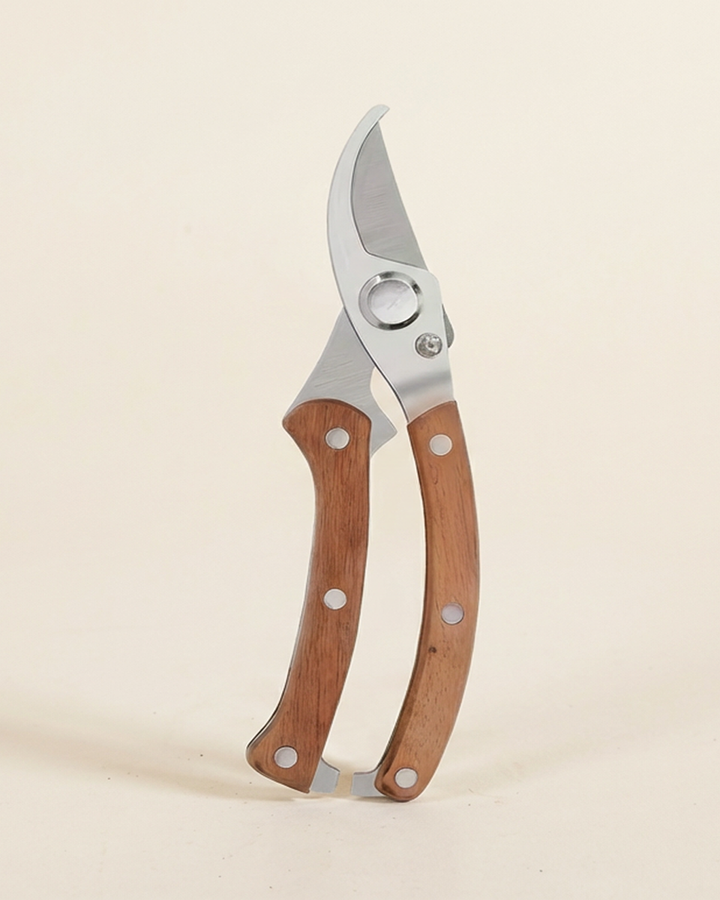
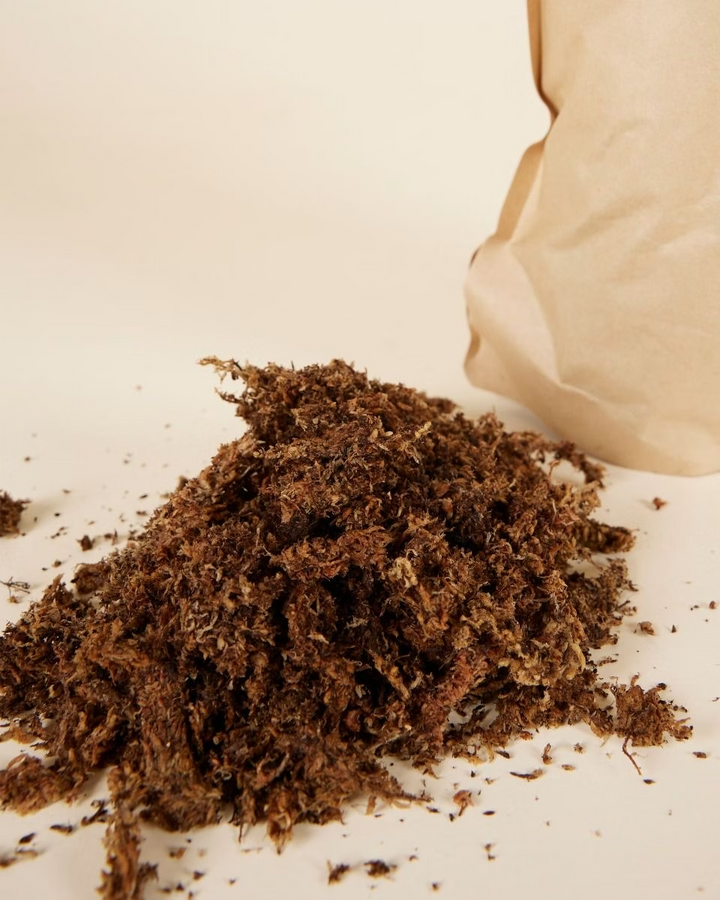
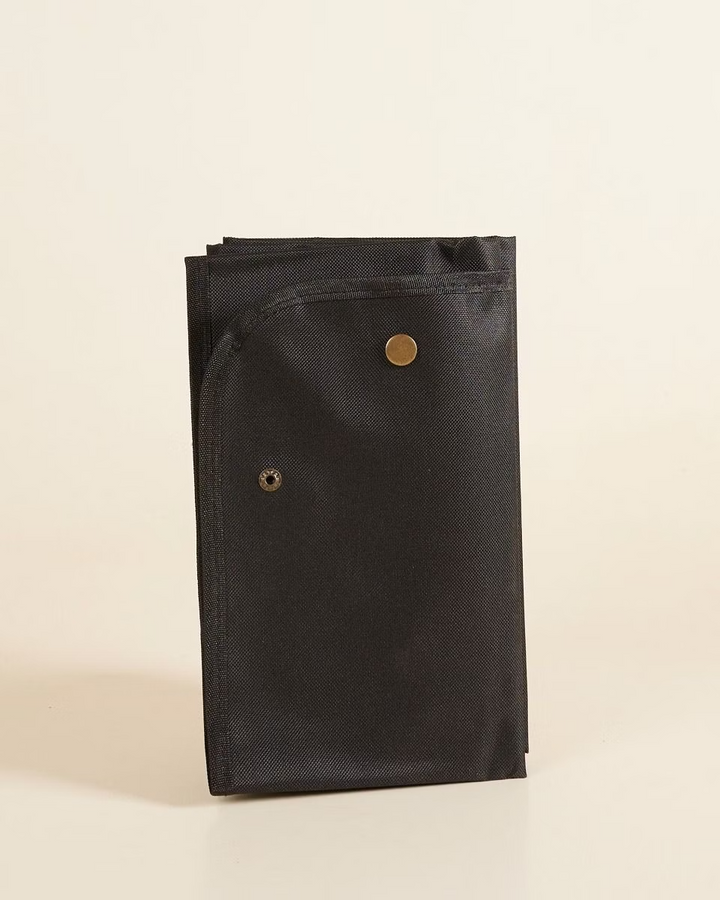
Sources & review
Reviewed 24 September 2026. Match advice to the species, conditions and product instructions.